

01
Workflow agents
Turn a repeatable process into an agent that understands the task, gathers context, and prepares the next action.
Give repetitive work a new way forward. Spectriv builds custom agents that connect your business knowledge, use the right tools, and keep your people involved where it matters.
Identify the context and the intended outcome.
Order details + support policy
Draft a reply with the relevant order update
A person reviews the proposed action.
Illustrative preview. No external systems are connected.
Copying between systems. Searching through documents. Chasing the same updates. We help you identify a workflow where AI can be useful, and build the smallest meaningful version first.
What does the team do repeatedly?
Which tools and information does it need?
Where should a person make the decision?
What would a useful result look like?
Discuss your first use caseFrom finding the right information to taking the next step, each capability has a place in the workflow.
Turn a repeatable process into an agent that understands the task, gathers context, and prepares the next action.
Help people find useful answers in company documents and data, with source references they can check.
Connect agents to the APIs and business software they need, with clearly scoped access.
Coordinate specialist agents when a task needs research, analysis, execution, and review.
Keep important decisions with your team. Define approvals, escalation paths, and limits on actions.
Make it possible to inspect what happened, test representative cases, and improve the workflow over time.
Engineering and business context, brought together in a practical delivery process.
Map the inputs, tools, people, and decisions involved. Choose a useful, focused first release.
Bring together the model, business context, tool access, and human review points.
Integrate with the right systems and check behavior against real and unusual scenarios.
Introduce the workflow to your team, document the system, and improve it from actual usage.
Your agent needs context and a way to act. We assess the data sources, software, permissions, and APIs available, then connect the pieces your workflow needs.
Not every action should happen automatically. We design the review points, exceptions, and visibility needed to make an agent a useful part of your team.
Relevant sources are available
Permissions match the task
Responses are evaluated
Your team reviews the next step
Controls are defined for your workflow.
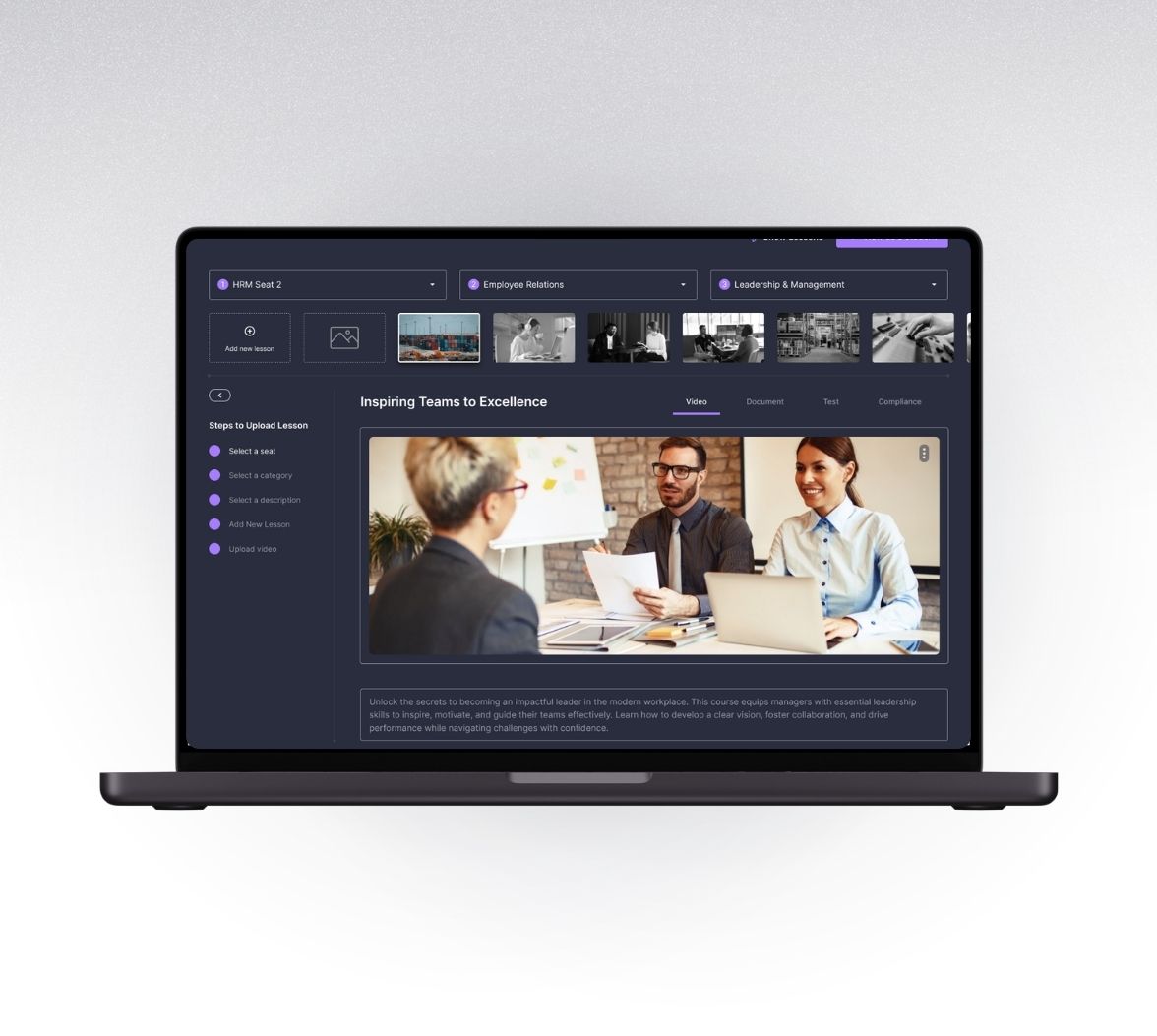
For Kaizen Teams, we enhanced a business operations platform with an AI assistant for navigating workflows, accessing live business information, and providing contextual guidance.
Explore the case studyNot sure where your idea fits?
Talk it through with us
An agent can combine information gathering with a sequence of actions. Depending on your systems, that might mean researching a lead, preparing a customer response, extracting document data, or guiding a team member through a process. We start by defining a clear task and the decisions that should stay with a person.
A chatbot primarily responds to a message. An agent can also use tools and follow multiple steps toward an outcome. Some workflows need a simple assistant; others benefit from an agent with access to specific systems. We help you choose the appropriate approach.
We assess the APIs, documents, databases, and access options available in your environment. Where integration is possible, the agent can use the systems your team already works with rather than creating another disconnected process.
Not necessarily. A single well-scoped agent is often a good starting point. We introduce additional agents when separating responsibilities makes the workflow easier to test, manage, or extend.
We define access, action limits, approval requirements, and the deployment approach during discovery. Requirements vary by system and use case, so we agree on the controls needed for your workflow rather than treating every task the same way.
We agree on documentation, ownership, maintenance, and ongoing support as part of the engagement. The next improvements can be guided by real usage, exceptions, and feedback from the people using the system.
Tell us about the task, the tools, and the team.
We’ll help you explore a practical way forward.